

Glossary · Dispatch
Passenger on board (POB)
Updated
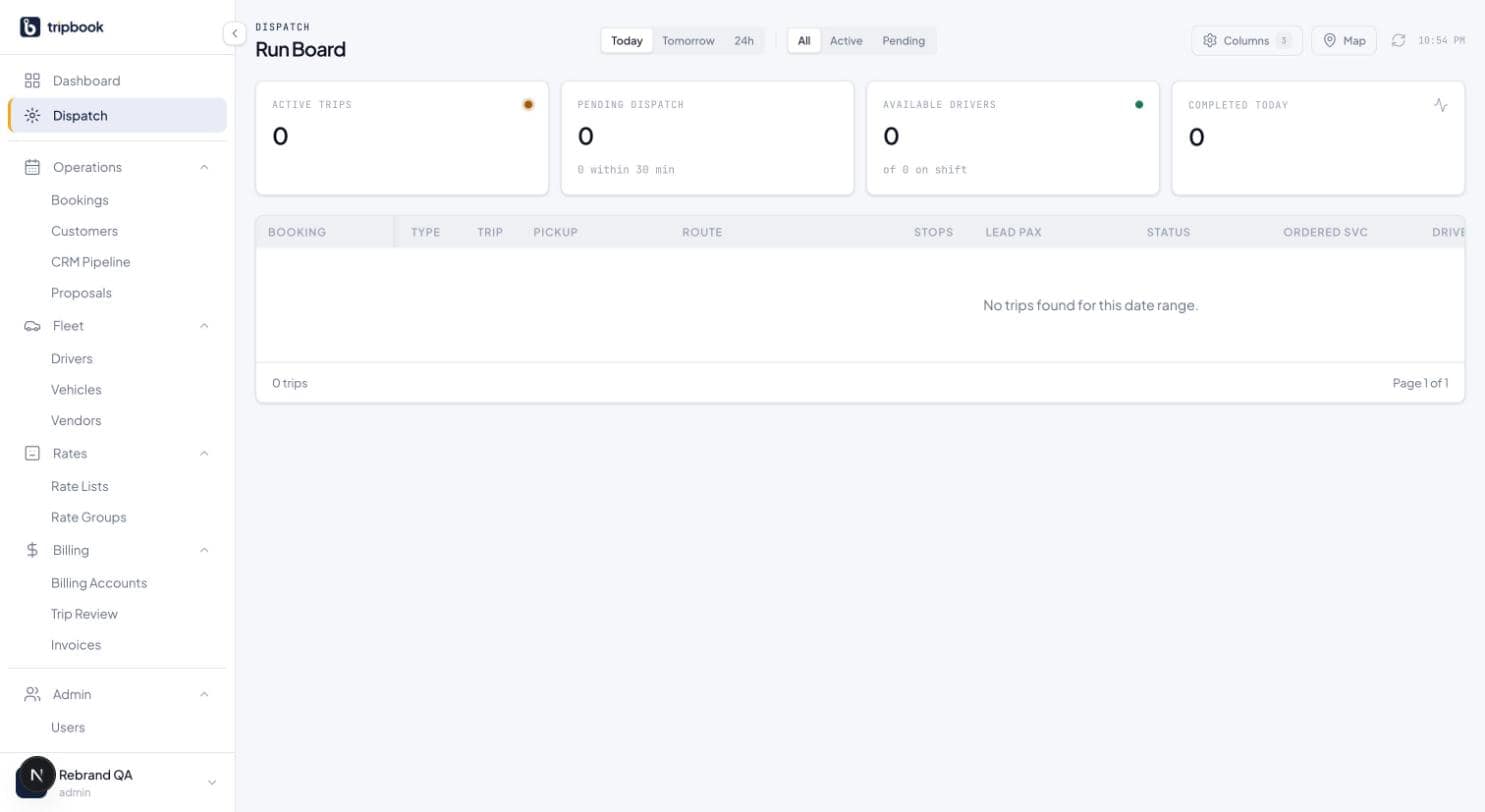
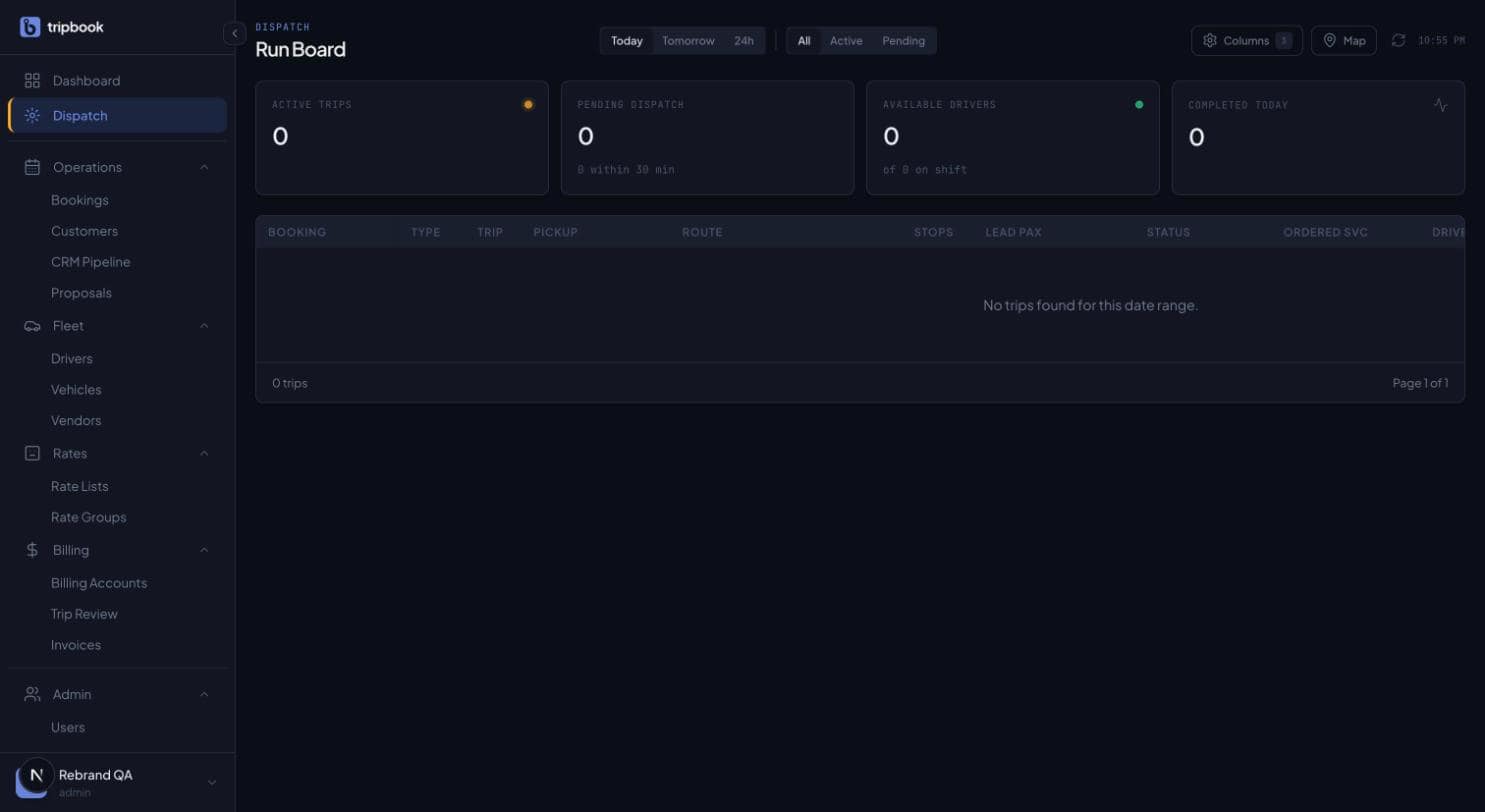
POB is the moment the passenger is in the seat and the door is closed, and on hourly work it is usually the moment the clock starts. On a two-hour charter, the POB timestamp and the drop timestamp are the two numbers the invoice is built from.
The status matters because it ends uncertainty. Between arrived and POB the dispatcher is waiting on a stranger: a flight that landed late, a passenger finishing a meeting, someone who booked the car and then took a taxi. POB closes that window. Wait time, if any, is now a known figure. A no-show is no longer possible. Whatever happens next, the operator has a passenger and a fare.
The common mistake is chauffeurs who set POB late, or not at all, and reconstruct it from memory at the end of the shift. A charter that was billed 15 minutes short because POB was recorded at the first traffic light is money gone.
How liverybook handles it
passenger_on_board is one of 11 leg statuses, reached from arrived_pickup and followed by arrived_dropoff and completed, and the 25 allowed transitions are enforced in the service layer. The dispatcher sets it inline on the run board, the event log records the transition, and connected boards receive trip.status_changed. Affiliate drivers on a farm-out set POB from their tokenised link; they cannot mark a no-show.
Related terms
This term lives in Dispatch. liverybook is the operating system for ground transportation.